Elevate Your Home With Expert Design Services
Transforming a home through professional architecture services involves more than just design. It requires a deep knowledge of functional design and local building codes. Collaborating with an seasoned design expert can handle common challenges while increasing property value. The process is systematic and detailed, confirming that every detail conforms with the homeowner's vision. Yet, many homeowners experience difficulty to navigate this undertaking effectively. What steps can they take to secure a successful alliance?
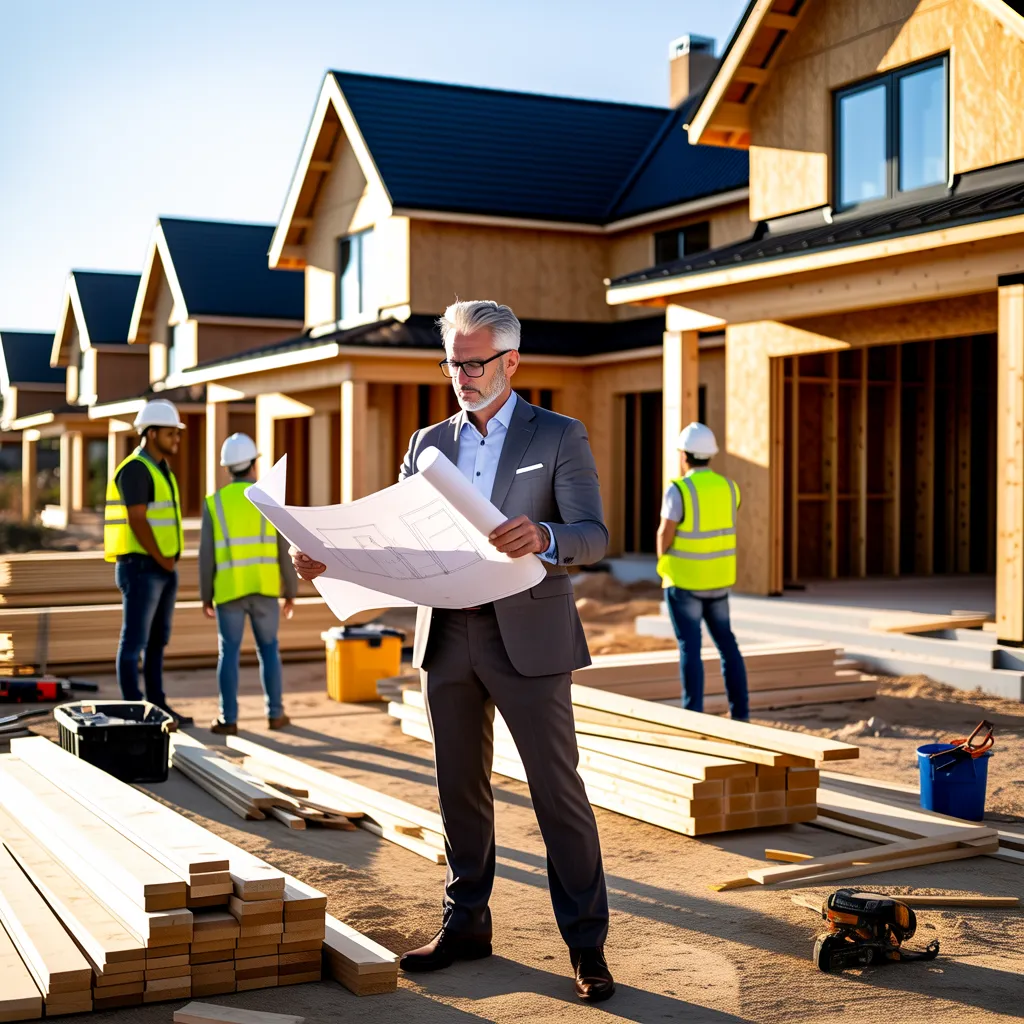
Regular Housing Design Struggles and Methods Architects Deliver Help
What makes home design so tough for countless homeowners? The difficulty of combining aesthetic tastes with everyday needs often overwhelms them. Homeowners regularly face challenges with spatial limitations, financial constraints, and legal requirements, making the design process harder. Additionally, many do not have the required expertise needed to address building considerations and building codes.
Architects play an crucial role in mitigating these challenges. Their education equips them to navigate the complexities of design, ensuring that a homeowner's vision aligns with practical realities. Architects can provide creative solutions to maximize space while conforming to security standards. They also assist in creating cohesive designs that embody the property owner's style. By providing insights into materials and construction methods, architects help streamline the decision-making process. Ultimately, their expertise transforms a possibly intimidating undertaking into a cooperative journey, promoting a balanced balance between creativity and feasibility in residential planning.
Reasons to Team Up With a Professional Architect
Partnering with a professional architect enhances the house planning experience by blending expert knowledge with the owner's dreams. Architects bring a tremendous depth of knowledge in design practices, legal requirements, and green methods, making certain that the assignment not only satisfies aesthetic goals but also adheres to legal standards. Their talent for conceptualizing and explain multifaceted thoughts facilitates adapting conceptual frameworks into realized blueprints.
Furthermore, architects can provide cutting-edge solutions to design barriers, perfecting arrangement and usability. They also manage the complications of the building process, working with contractors and suppliers to copyright budgets and timelines are adhered to. This expert oversight curtails mistakes and reduces the worry associated with home building or remodeling. In conclusion, engaging with an architect achieves a well-crafted, unified space that captures the homeowner's personality while advancing overall property worth.
What Constitute the Necessary Components in the Structural Design Framework?
Why is understanding the architectural process important from initial idea to completion? The experience commences with an initial consultation, where the architect and client review goals, requirements, and budget. This stage is fundamental for building a clear vision. Afterward, the architect conducts site analysis, assessing factors like terrain, climate, and zoning requirements.
Subsequently, the design work commences. At this stage, visual sketches and computer models are fashioned, allowing the client to visualize the project. Once the design is established, the architect creates extensive construction specifications, containing specifications and drawings.
Upon acquiring required permits, the project enters the building stage. The architect regularly works with contractors to guarantee that the design is executed correctly. Frequent site visits and assessments help preserve quality and compliance to the original vision. Finally, the project culminates in a walkthrough, verifying that the finished structure meets the client's requirements before the official handover.
What's the Best Way to Select the Perfect Architect for Your Home?
Locating the ideal architect for a home involves careful evaluation and research. Prospective homeowners should begin by determining their particular requirements and financial plan, which will direct their hunt. Suggestions from acquaintances, family, or property experts can provide useful connections. Internet collections of work and reviews assist with evaluating an designer's previous work and customer satisfaction.
Next, prospective parties should interview multiple candidates to determine their speaking approach, expertise, and strategy for design. It's critical to discuss project parameters and timeline expectations to establish mutual understanding. In addition, verifying qualifications and checking for appropriate certifications and licenses can circumvent future complications.
In conclusion, property owners should have faith in their hunches. The suitable architect should not only possess the necessary skills but also connect with the homeowner's perspective and values. This synergy promotes a collaborative environment, in due course achieving a successful partnership in crafting a dream home.
How to Communicate Your Goals Successfully
Communicating a direction for house design effectively is important for a strong relationship between residents and design experts. To accomplish this, homeowners should commence by clearly determining their needs and preferences. Developing a mood board with visuals, tones, and materials can help communicating design wants. Additionally, detailing functional needs, such as square footage and layout, confirms that the architect understands tangible factors.
Home owners should also engage in candid conversations, encouraging inquiries and input to refine their concept. Regular check-ins during the design process promote teamwork and openness. Using straightforward language to express thoughts and worries can avert misunderstandings and help match goals.
Finally, being receptive to the architect's knowledge enables a more vibrant dialogue. By combining personal vision with professional insight, homeowners can facilitate a productive partnership that leads to a beautifully designed space showcasing their aspirations.
Approach to Controlling expenses for Architecture Services
During the initiation of a home design project, setting a budget for architecture services is indispensable to avoid financial strain later. Homeowners should begin by examining typical fees in their area, which can vary based on the project's complexity and the architect's experience. It is recommended to allocate a percentage of the overall project cost specifically for architectural read now services, typically ranging from 5% to 15%.
Next, prospective clients should determine the scope of services required—whether they need complete design and project management or only initial consultations. Maintaining open discussions with potential architects concerning their fee structures can deliver clarity on financial outlay.
Additionally, property owners should account for potential revisions and unexpected expenses, building a buffer into the budget. By explicitly establishing their budget limits upfront, customers can ensure they choose an architect who matches their vision while remaining within their budget constraints.
Popular Inquiries Posed Often
What Designs of Architectural Can Be Available for My Home?
Homeowners can select from multiple architectural styles, including modern, traditional, colonial, Mediterranean, and contemporary. Each style provides distinctive aesthetics and functionality, allowing individuals to express personal taste while taking into account regional influences and environmental factors.
What Duration Does the Building Design Process Typically Involve?
The architectural undertaking typically takes several months, contingent upon project complexity, approval processes, and regional requirements. Aspects such as client comments and project timelines can also impact the duration considerably throughout the project.
Can Design specialists Contribute To Sustainable Design Alternatives?
Architects can definitely support with green design options. They incorporate eco-friendly materials, efficient energy systems, and innovative layouts, guaranteeing projects minimize environmental impact while boosting functionality and aesthetic appeal, aligning with clients' sustainability goals proficiently.
What Credentials Should I Look for in an Building Designer?
When bringing on an architectural professional, one should factor in their formal training, professional standing, experience in relevant projects, compilation of work displaying their design approach, and comprehension of local architectural guidelines. Communication skills and endorsements from satisfied clients also play key roles in the selection decision.
In What Manner Do Design Experts Deal With Zoning and Permit Matters?
Architects resolve zoning and permit issues by conducting thorough research on regional requirements, preparing necessary documentation, and communicating to municipal authorities. Their expertise guarantees compliance, expediting the permitting timeline for customer developments effectively.