Creative Architectural Solutions: Exploring the Value of Skilled Architecture Services
Revolutionary architectural concepts serve a critical function in influencing today's built environments. By championing sustainability and functionality, building professionals can build settings that resonate with societal demands. The integration of eco-conscious resources and smart solutions optimizes resource consumption while promoting meaningful connections. As design philosophies develop, they adapt to the needs of inhabitants and embrace community identity. The question remains: in what ways do these factors combine to revolutionize our metropolitan spaces and enhance everyday living?
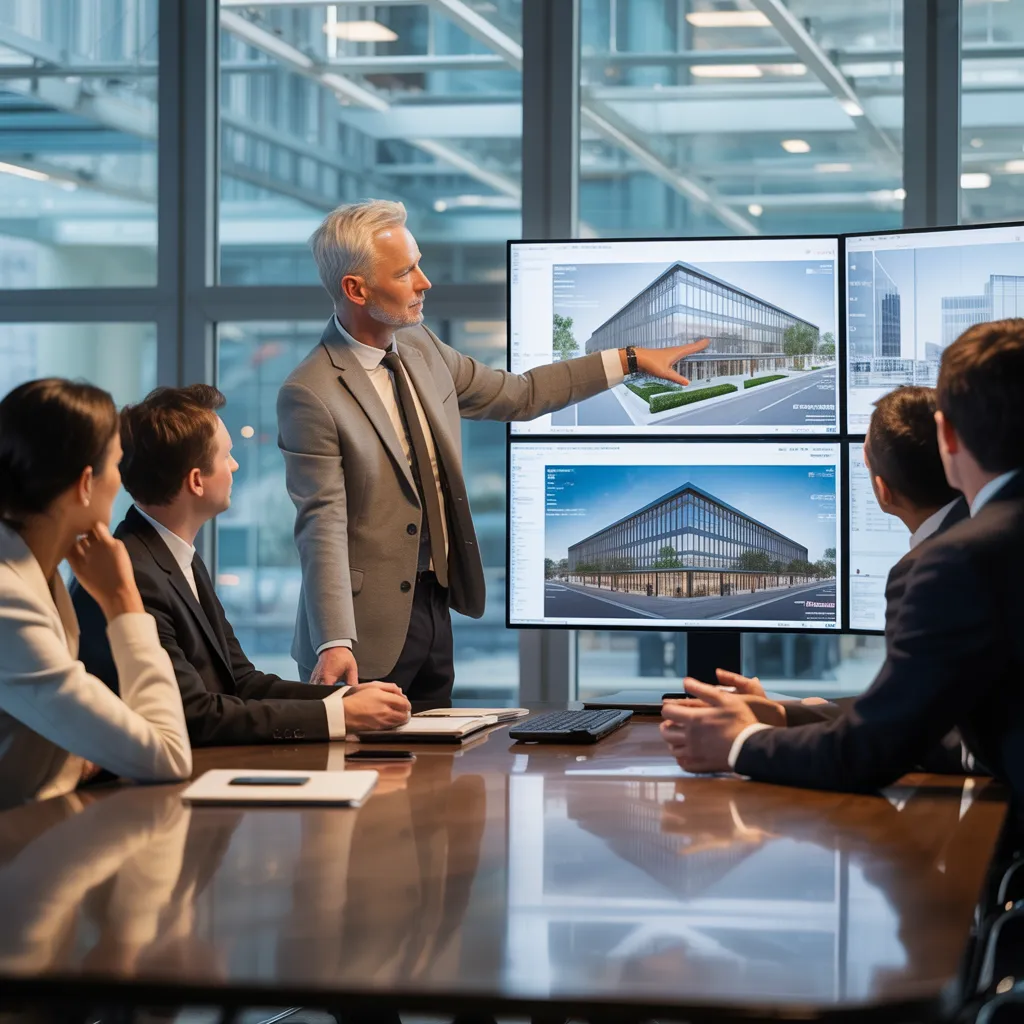
The Importance of Architects in Developing Sustainable Spaces
Architects serve a vital role in the development of sustainable spaces, significantly influencing the ecological footprint of the built world. Their knowledge enables the inclusion of environmentally responsible materials, sustainable energy systems, and creative design strategies that limit resource expenditure. By emphasizing sustainable practices, architects are able to develop structures that minimize greenhouse gas output and enhance energy performance.
Cooperation with engineers and sustainability experts is vital in this process, guaranteeing that designs meet both aesthetic and functional criteria while adhering to sustainable practices. In addition, architects take into account the surrounding ecosystem, promoting biodiversity and incorporating natural elements that foster a harmonious relationship between the built environment and natural surroundings.
With careful consideration, architects champion the use of clean energy alternatives, such as solar panels or wind turbines, which also supports sustainable objectives. In the end, their role extends beyond mere construction; architects define the evolution of urban spaces by cultivating a dedication to sustainable practices and conscientious planning.
Top Innovations in Architectural Design That Enhance Functionality
Numerous innovations in structural architecture are reshaping the way modern spaces function. A notable innovation is the implementation of advanced technology, empowering spaces to adjust to the preferences of their occupants through automated illumination, climate management, and security solutions. These systems promote improved energy efficiency while elevating the comfort of building occupants.
In addition, modular construction techniques are gaining traction, facilitating more rapid construction and improved design adaptability. These frameworks can be effortlessly reorganized or extended, making them well-suited for diverse purposes.
Biophilic architecture, that integrates natural elements into building design, enhances health and efficiency, nurturing a relationship between occupants and their environment.
In addition, open floor plans continue to gain popularity, providing versatile spaces designed to accommodate multiple activities.
Lastly, eco-friendly materials are being employed not only for their sustainability but also for their attractive appearance and resilience, enhancing the overall functionality of modern structures. Together, these advancements lead to more flexible and effective architectural designs.
How Design Connects Communities
Architecture plays a pivotal role in fostering relationships within residential areas, establishing settings that promote engagement and collaboration among residents. Thoughtfully designed recreational areas, plazas, and community zones act as indispensable social hubs, encouraging social engagement and a feeling of community. Design elements such as expansive floor plans and versatile areas facilitate avenues for local activities and programs, enhancing the overall quality of life.
In addition, designs that integrate regional culture and history establish a unique identity, helping residents feel more connected to their environment. By prioritizing accessibility and inclusivity, architects ensure that all individuals, regardless of age or ability, can engage in community life.
The incorporation of natural features, such as green spaces and recreational areas, further enriches the community experience, giving residents a retreat and an area for mutual enjoyment. At its core, deliberate architectural design not only transforms physical spaces but also strengthens the bonds that hold communities together.
Improving Energy Efficiency Through Skilled Architecture
A notable change toward energy conservation is revolutionizing the building design landscape, fueling the development of pioneering solutions that minimize environmental impact. Professional architectural services play an essential role in this change by integrating green methodologies into the design process. These architects assess energy usage trends and apply advanced materials, such as top-grade insulation and thermally efficient windows, to lower climate control requirements.
Additionally, the incorporation of renewable energy sources, like photovoltaic panels and geothermal solutions, not only decreases reliance on fossil fuels but also lowers running costs for property owners. Advanced building automation technologies also optimize energy utilization, allowing for live tracking and optimization of energy consumption.
Through meticulous planning and innovative design, professional architects design spaces which not only adhere to rigorous environmental standards but also foster long-term sustainability. This emphasis on energy efficiency ultimately contributes to a greener planet and more robust communities, highlighting the essential role of architecture in addressing climate change.
Successful Urban Landscape Transformations
One striking instance is the revitalization of derelict waterfronts into dynamic recreational areas, featuring parks, walking paths, and cultural attractions. These changes serve to enhance the landscape while also boosting surrounding economies by bringing in tourists and business opportunities.
Furthermore, thoughtful urban planning recognizes the unique attributes of a neighborhood, ensuring that each redesign honors its heritage and character. This personalized method encourages a sense of belonging among residents, encouraging stewardship of the space. In essence, successful urban landscape transformations showcase the power of architecture to reshape urban experiences and promote long-term urban sustainability.
Where Is Innovative Architecture Headed?
How can innovative architecture continue to adapt and respond to the evolving needs of society? As urban environments grow increasingly complex, architects are tasked with addressing pressing challenges such as sustainability, affordability, and social equity. Cutting-edge technologies, such as artificial intelligence and advanced materials, present fresh opportunities for design, facilitating more streamlined construction methods and improved energy efficiency.
Furthermore, architects are increasingly engaging with numerous stakeholders, from neighborhood groups to environmental experts, ensuring that designs reflect the priorities and requirements of those they serve. find here This engagement-driven process cultivates resilience, allowing structures to adapt to changing climate conditions and societal demands.
Additionally, the inclusion of biophilic design concepts enhances human well-being, bridging the gap between inhabitants and the natural environment. As architecture continues to evolve, the emphasis on forward-thinking solutions will stay at the forefront, inspiring the field to create spaces that are functional while also being transformative for the generations ahead.
Answers to Your Most Common Questions
How Do Architects Partner With Engineers on Projects?
Architects collaborate with engineers by integrating design concepts with technical requirements, guaranteeing structural soundness and performance. Regular meetings facilitate communication, permitting both parties to resolve issues and enhance project outcomes through shared expertise and innovative solutions.
What Are the Expenses Involved in Hiring an Architect?
The fees related to employing an architect generally encompass design fees, project management expenses, and potential additional charges for site visits or consultations. These fees can fluctuate substantially according to the scope of the project and geographical location.
How Long Does the Architectural Design Process Typically Take?
The architecture design workflow typically takes multiple months, depending on project scope and the requirements of the client. Factors such as permits, revisions, and contractor coordination can further impact the overall timeline, often extending the duration considerably.
Are Architects Able to Assist With Zoning and Permit Applications?
Absolutely, architects are able to help with zoning applications and permit requests. Their knowledge helps manage complicated regulatory requirements and ensures conformity with local regulations, making the process more efficient and boosting the prospects of securing required approvals for projects.
What Credentials Should I Seek in an Architect?
When selecting an architect, one should prioritize qualifications such as education, licensing, experience in relevant projects, effective communication abilities, and a portfolio that highlights creative thinking and problem-solving capabilities. Specializations may also be relevant depending on project needs.